Homeopathy is a therapeutic system based on the principle of “like cures like.” It does not aim merely to suppress symptoms, but to understand and stimulate the organism’s overall response.
Homeopathy is not simply a therapeutic method. It is a way of approaching health:
to listen to the symptom, to trust the organism, to support its inherent wisdom.
Its Origins and Evolution
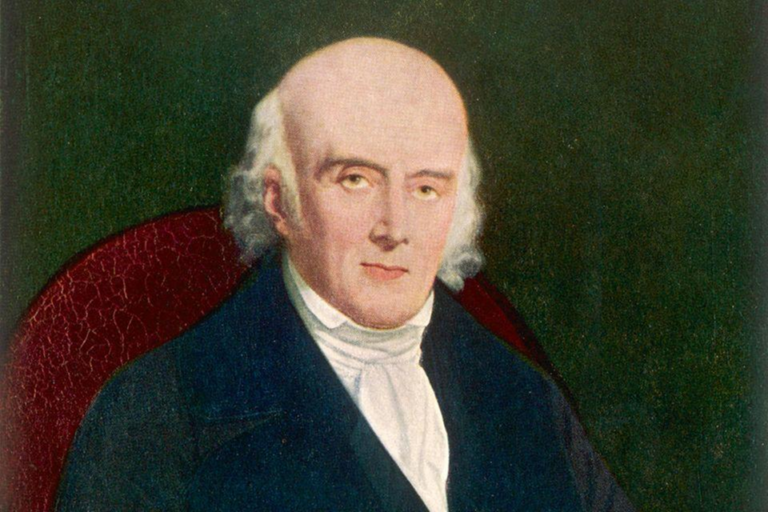
Homeopathy was founded by Samuel Hahnemann, who, at the end of the 18th century, formulated a new medical approach that sought to be gentler and deeply human-centred.
Since then, homeopathy has spread widely across the world and, in modern times, has experienced renewed interest, particularly in Europe, India, and Latin America.
Its resurgence has also been associated with the limitations encountered by conventional medicine, particularly in:
mental health disorders, which are continuously increasing,
autoimmune diseases,
and chronic, multifactorial conditions.
How It Works — The Inner Principles of Healing
The Inner Principles of Healing
Homeopathy does not “fight” the symptom. It approaches it as a message from the organism and as an attempt to restore a disturbed balance.
Within the homeopathic framework, symptoms are not regarded as the disease itself, but as the body’s natural response to imbalance. They are understood as part of the pathway through which the organism attempts to return to homeostasis.
The therapeutic approach is based on the principle of similarity:
a substance associated with similar symptoms is selected,
the internal therapeutic response is stimulated,
and the organism’s natural capacity for self-regulation is supported.
In this way, homeopathy seeks to work in support of the body’s physiology rather than simply suppressing its manifestations.
Within homeopathic theory, its effects are understood as extending across multiple levels:
Nervous system
Immune system
Hormonal balance
The aim is to support the overall coordination and restoration of the organism’s internal balance.
Indications
Homeopathy is used in practice for a broad range of functional and chronic conditions, including:
Anxiety and sleep disturbances
Emotional instability
Mental and psychological disorders
Psychosomatic conditions
Chronic conditions
Autoimmune diseases
Hormonal and gynaecological disorders
Skin and allergic conditions
Functional disorders, such as digestive problems
Homeopathy does not necessarily seek to replace other medical approaches. It may be used as a complementary approach and, in certain contexts, as an alternative approach—always according to the needs and individual characteristics of each person.
Advantages of Homeopathy
Deep & Regulatory Approach: Homeopathy does not focus solely on suppressing symptoms, but aims at restoring the overall balance of the organism
Use in Chronic Conditions: It may be used as part of the therapeutic approach to chronic and functional disorders, with the aim of supporting quality of life.
Supporting Natural Mechanisms: Its therapeutic philosophy is based on stimulating the organism’s natural defence and self-regulatory mechanisms.
Complementary Therapeutic Approach: It can be used alongside other medical treatments as a supportive and complementary approach.
• Early Intervention: Homeopathy may be introduced in the early stages of a disorder, before it develops into a more established chronic condition.
STRESS FREE LIFE
Why a Holistic Approach?
Homeopathy can be viewed as a form of “ecological medicine.”
Rather than focusing exclusively on external factors involved in illness, it places emphasis on:
the organism’s endogenous mechanisms,
the overall balance between body and psyche,
and the inherent capacity for self-healing.
It does not ignore external factors. Its primary focus, however, is on supporting the internal environment—the “terrain” upon which health develops.
Thus:
symptoms are not simply suppressed, but are evaluated as guides,
treatment is not conceived merely as something imposed from the outside,
but as a process that seeks to support healing from within outward.